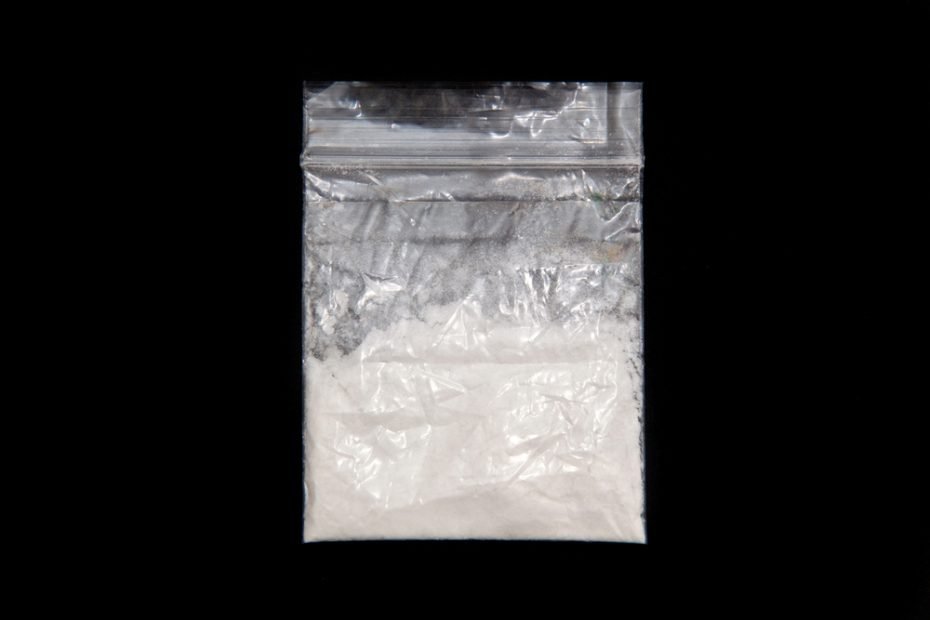
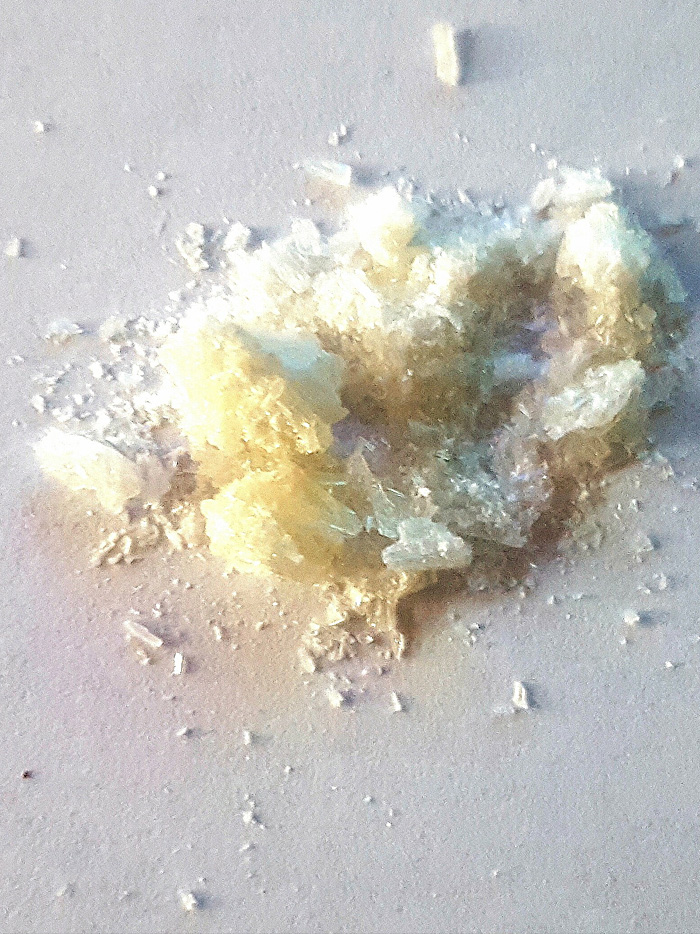
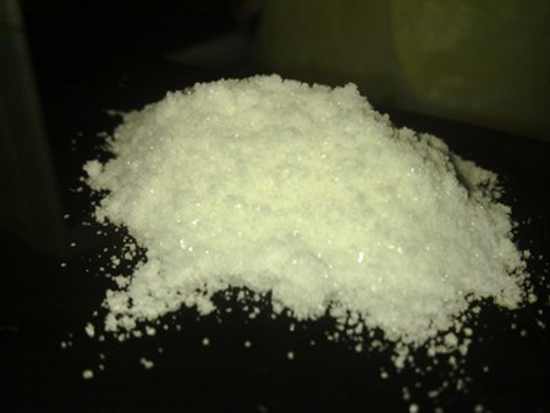
Mephedrone (4-MMC) is a synthetic stimulant compound that gained attention in research communities for its unique structural and chemical profile. Also known scientifically as mephedrone, 4-MMC belongs to the substituted cathinone family, a class of compounds structurally related to naturally occurring cathinones derived from the khat plant. Its molecular framework places it within the beta-keto amphetamine category, making it of interest for laboratory-based analytical and chemical research applications.
In controlled research environments, 4-MMC is examined for its physicochemical characteristics, molecular stability, and interaction patterns under strictly regulated laboratory conditions. Researchers studying substituted cathinones often focus on factors such as solubility, melting point, purity levels, and analytical reference profiling. High-quality 4-MMC research material is typically characterized using advanced techniques including gas chromatography (GC), high-performance liquid chromatography (HPLC), and mass spectrometry (MS) to verify structural integrity and ensure laboratory-grade standards.
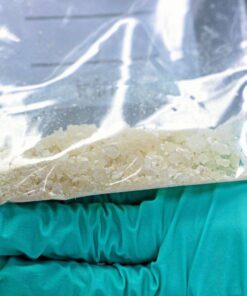
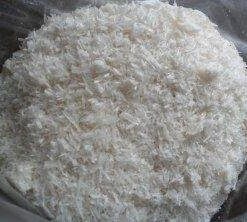
From a chemical standpoint, Mephedrone (4-MMC) has the molecular formula C11H15NO and is structurally defined by a methyl substitution at the para position of the phenyl ring combined with a beta-keto functional group. This configuration makes it structurally comparable to other substituted cathinones used in analytical research. Its crystalline form, when properly synthesized and purified, allows for consistent evaluation in laboratory testing scenarios.
Professional laboratories and certified research facilities emphasize stringent quality control measures when handling compounds such as Mephedrone (4-MMC). Analytical referhttps://cannabinoidsrc4f-adb.com/ence materials are expected to meet defined purity thresholds and undergo verification through independent laboratory testing. Documentation such as certificates of analysis (COA) is commonly used within regulated environments to confirm composition, batch identification, and laboratory verification data.
In scientific literature, substituted cathinones are studied for their pharmacological mechanisms at the molecular level, particularly in receptor-binding and transporter interaction studies. However, due to evolving international regulations, 4-MMC is classified as a controlled substance in many jurisdictions. Researchers must comply fully with local laws, institutional guidelines, and regulatory frameworks when conducting any form of study involving this compound.
For SEO and informational purposes, keywords associated with 4-MMC research often include terms such as “4-MMC research chemical,” “4-Methylmethcathinone analytical reference,” “substituted cathinone laboratory compound,” and “beta-keto phenethylamine derivative.” When presenting information online, it is essential to ensure clarity that the compound is intended strictly for legitimate laboratory research use under approved regulatory conditions.
Storage and handling protocols in laboratory settings typically require cool, dry environments, sealed containers, and restricted access consistent with controlled substance guidelines. Standard laboratory safety practices—including personal protective equipment (PPE), secure documentation, and hazard labeling—are essential components of compliant research operations.
As regulatory frameworks continue to evolve globally, institutions and researchers must stay informed about classification updates and import/export requirements. Compliance ensures ethical and legal research practices while maintaining scientific integrity.
This product description is intended strictly for informational and SEO purposes within a scientific context. 4-MMC should only be handled, stored, or studied by qualified professionals operating in accordance with applicable laws and institutional approvals. Always verify current legal status in your jurisdiction before engaging in any form of acquisition, possession, or research involving this compound.
Reviews
There are no reviews yet.